MEN’S HEALTH WEEK 15–21 JUNE 2026
 Men’s Health Week, organised by the Men’s Health Forum, focuses on raising awareness of preventable health issues and encouraging earlier help-seeking.
The UK Government published its first Men’s Health Strategy in 2025, marking a significant step in national efforts to improve men’s health outcomes. The strategy sets out a long-term approach to improving men’s physical and mental health, with a strong focus on prevention, reducing inequalities, and improving access to support.
The Department of Health and Social Care (2025) highlights that men may be less likely to seek help for health concerns and may delay engaging with healthcare services at an early stage. These barriers are associated with poorer health outcomes and have wider implications for working life and economic participation. The strategy also highlights the important role of the workplace in supporting men’s health, particularly in relation to stress, mental wellbeing, and productivity.
This is reflected in the Men’s Health Strategy for England call for evidence, which found that 54% of men reported not seeking medical help for a health concern in the last three years. The most common reasons included limited availability of services or waiting lists (43%), avoiding dealing with the issue (37%), and not feeling the concern required medical attention (29%) (Department of Health and Social Care, 2025).
Despite this, many workplaces still take a reactive rather than preventive approach to health and wellbeing (CIPD, 2025). The CIPD also reports that men’s health receives comparatively limited focus within workplace wellbeing strategies, with just 29% of organisations including specific provision such as policies, guidance, awareness-raising or line manager training.
Moving from reactive to preventative approaches
Many organisations continue to respond to health issues only once they have escalated, rather than embedding prevention and early identification into everyday management practice.
This requires organisations to move away from isolated wellbeing activities and instead consider how health risks are managed across the employee lifecycle. This includes how work is designed and distributed, how performance concerns are identified and addressed, how risks of stress and musculoskeletal (MSK) strain are reduced through work design and workload management, and how quickly support is made available.
In the context of men’s health at work, the most commonly reported and preventable issues include stress-related mental health conditions, musculoskeletal disorders, and lifestyle-related cardiovascular risk factors. These are often compounded by delayed help-seeking, low health literacy, and stigma, meaning issues are frequently only identified once they begin to impact attendance or performance.
Early intervention in the workplace is therefore not about standalone wellbeing campaigns or initiatives. It is the ability of organisations to identify emerging health risks early and respond before they develop into absence, reduced performance, or long-term health conditions. Effective early intervention relies on everyday management practices, not just formal policy.
The key shift is therefore from responding to absence after it occurs, to actively addressing the workplace conditions that drive health risks in the first place.
In the context of men’s health, this is particularly important due to evidence of delayed help-seeking behaviour, lower engagement with preventative healthcare services, and stigma around discussing health concerns.
The role of work as a health influence
The strategy highlights the role of workplaces in supporting men’s mental health and musculoskeletal health, alongside wider efforts to improve early identification of cardiovascular and other long-term health risks.
Work-related pressures, combined with physical and psychological demands, contribute to conditions such as stress-related mental health issues, musculoskeletal problems, fatigue, and reduced overall wellbeing. Without early identification and intervention, these factors can accumulate over time and impact work capacity.
This reinforces the importance of viewing workplace health not as a separate wellbeing function, but as part of core organisational design and management practice.
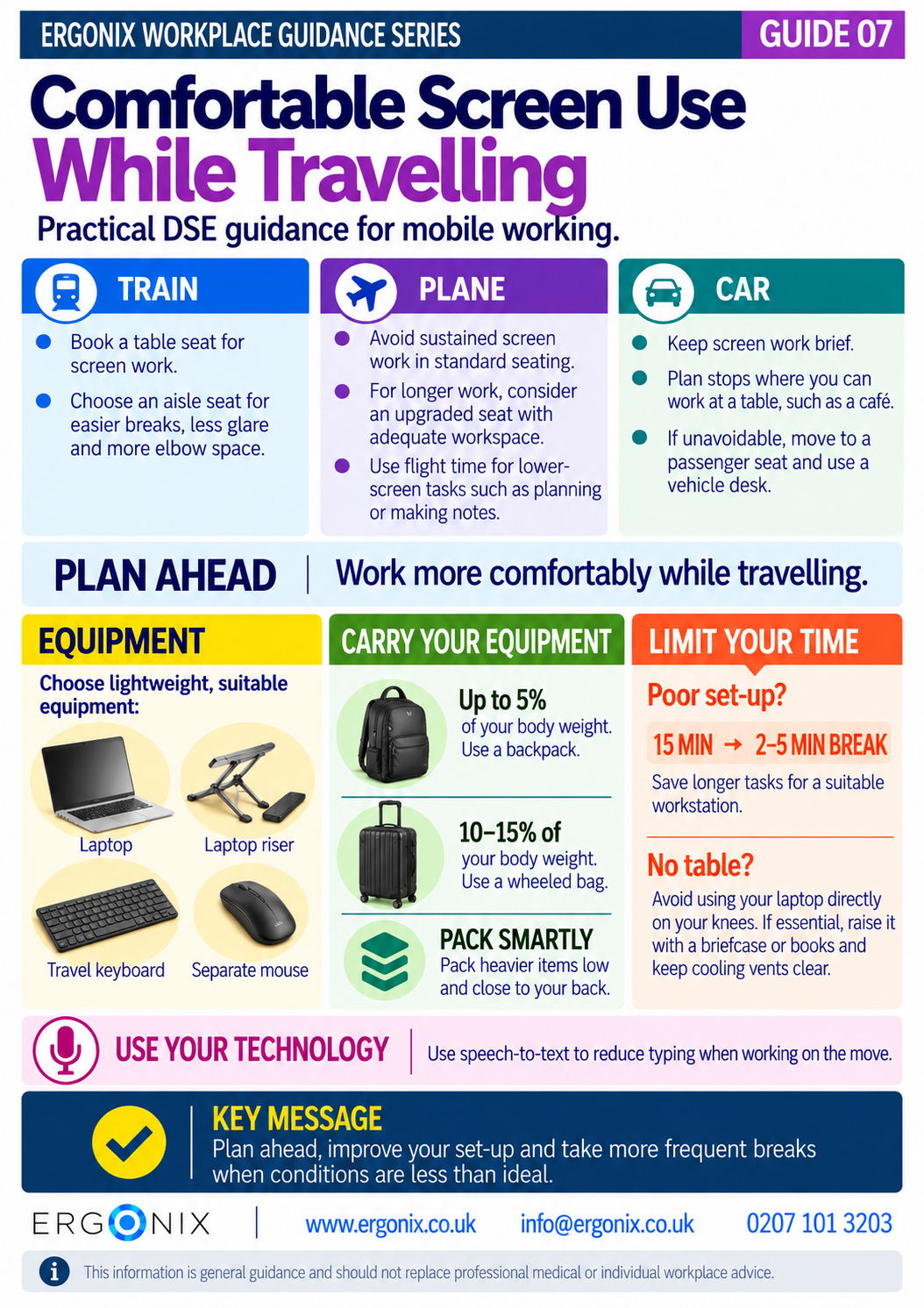
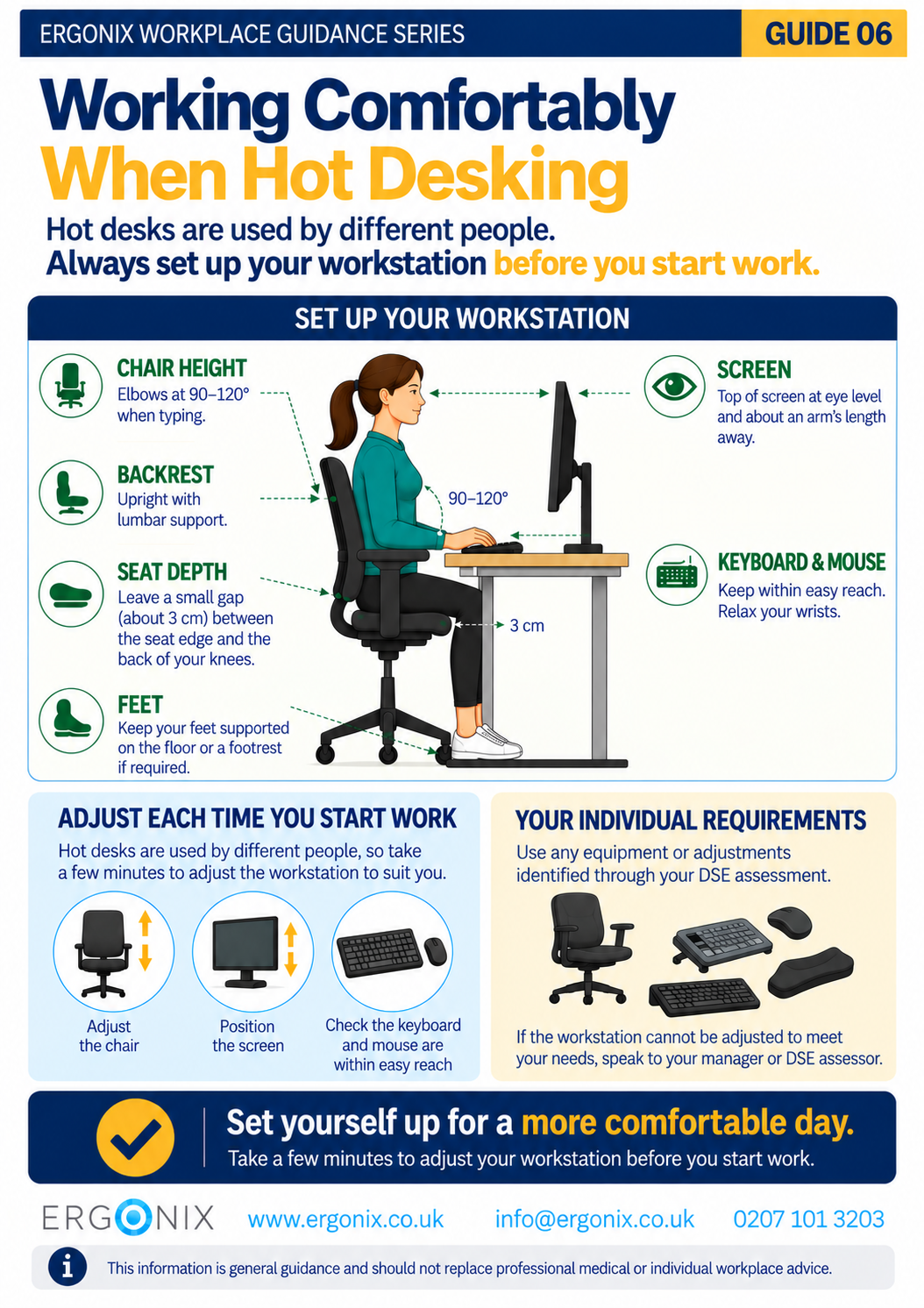
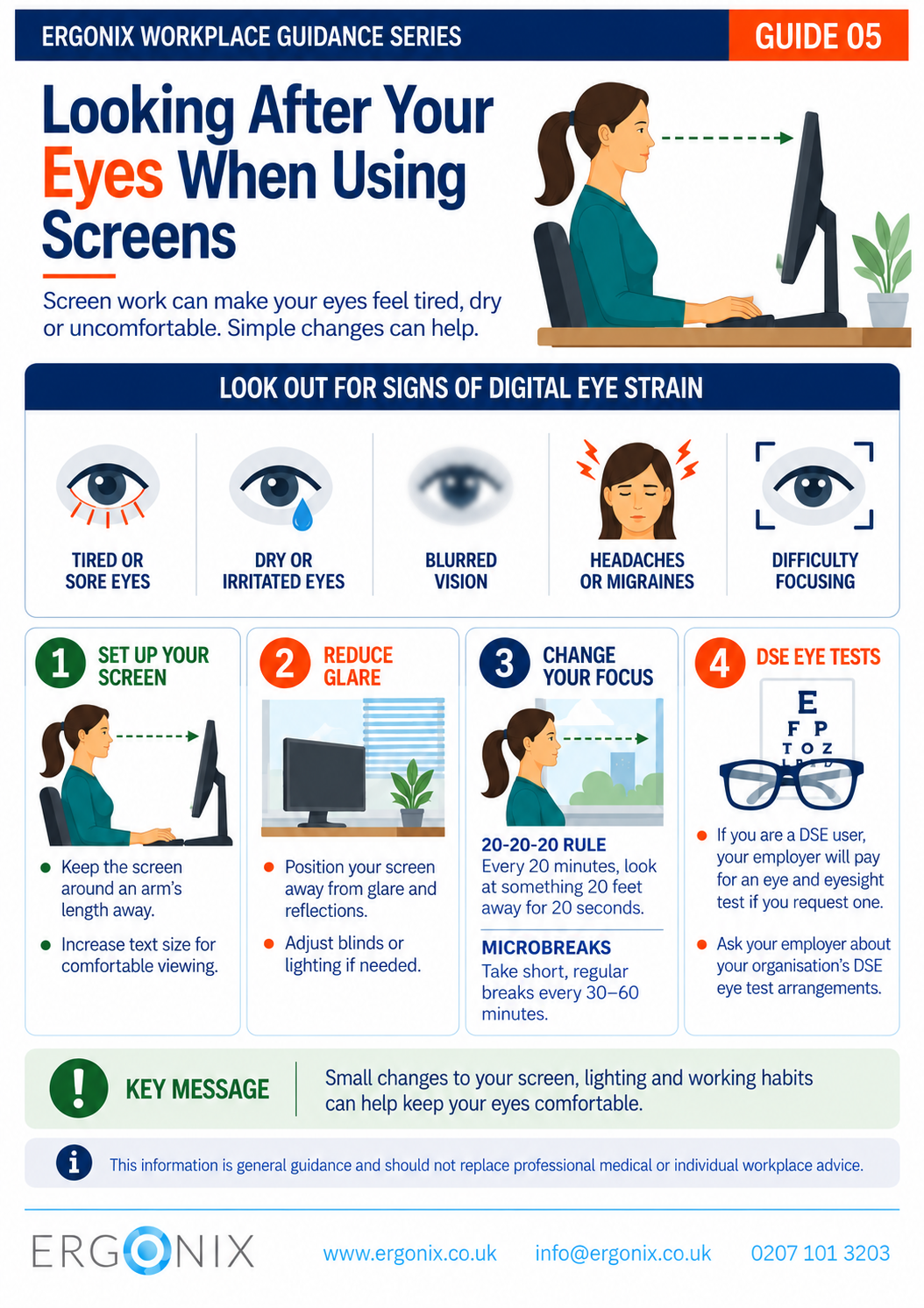
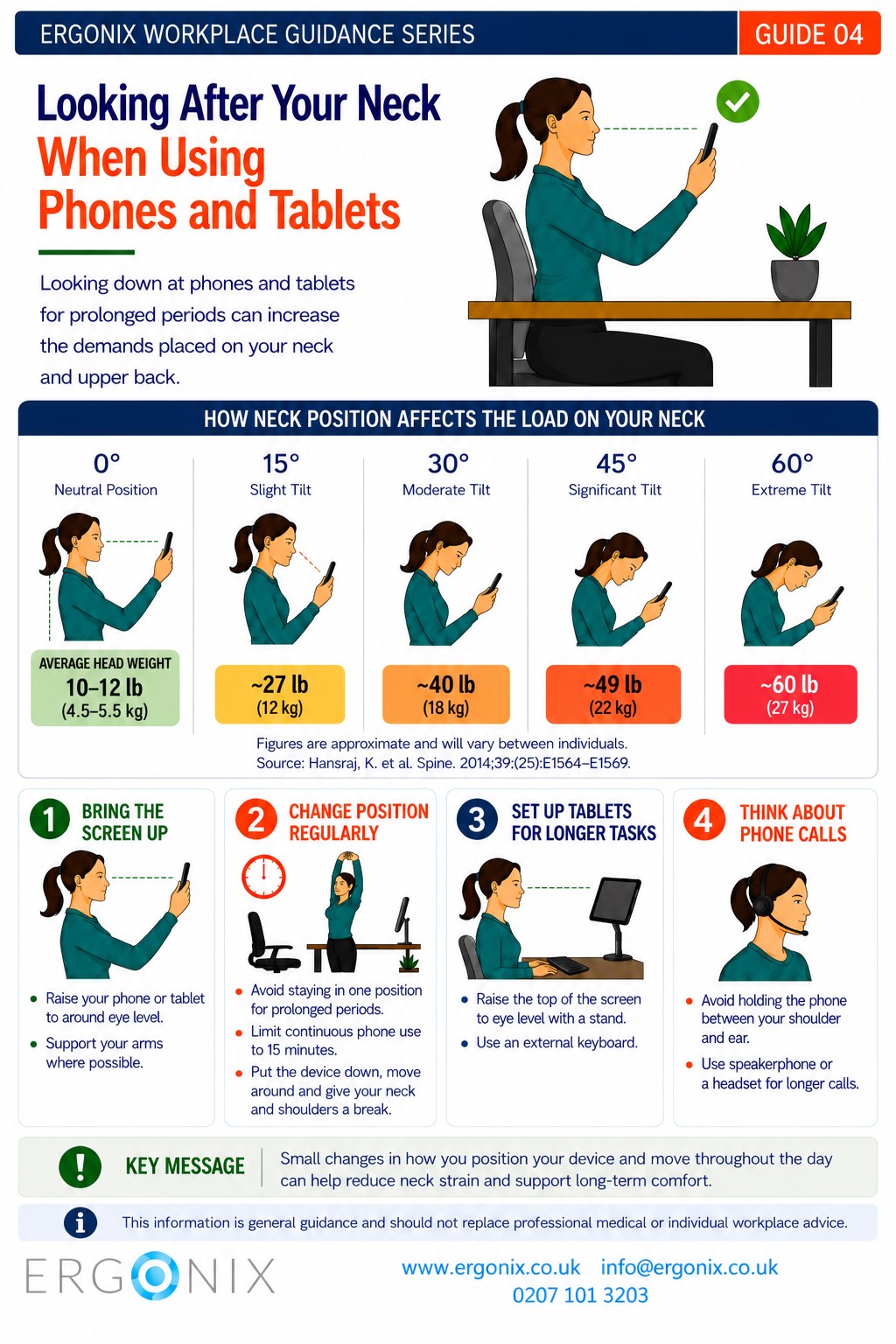
In practice, this highlights the importance of occupational health input, workplace ergonomics assessments and DSE (display screen equipment) workstation interventions to identify and manage musculoskeletal risk factors early.
A preventative approach in this context typically includes primary prevention (work design and workload), secondary prevention (early identification of risk), and tertiary prevention (supporting safe and sustained return to work).
What needs to change in practice
Organisations need a holistic, preventative framework for health and wellbeing that is based on the actual health risks within their workforce, supporting employees across prevention, sickness absence, and return to work (CIPD, 2025).
In the context of men’s health, key priority areas for organisations include:
- mental health and stress-related conditions (including help-seeking behaviour)
- musculoskeletal health and ergonomic risk (including workstation design and DSE risk)
- cardiovascular and metabolic health risks
- early identification through management practice and occupational health support
A preventative approach depends on specific organisational behaviours rather than general intent:
Work design and workload
Workload must be realistically designed and regularly reviewed to ensure demands are sustainable. Prolonged exposure to high workload, poor task design, physical strain, including prolonged static postures and sustained periods of high cognitive demand, increases the risk of both physical and mental health issues.
Manager capability
Line managers play a central role in employee health and wellbeing, taking responsibility for absence management, identifying early signs of stress and workload imbalance, and acting as a key gateway to support. CIPD evidence shows that their capability directly influences stress, burnout risk, and return-to-work outcomes. This includes recognising early changes in performance, behaviour, engagement, or attendance and acting before issues escalate.
Access to support
Support pathways must be simple, visible, and trusted. If employees cannot easily access appropriate help, early intervention is unlikely to occur.
Consistency of approach
Support should not depend on individual manager style. Organisations need consistent expectations and processes so that early intervention becomes standard practice rather than optional behaviour.
This places responsibility on organisations to proactively identify risk factors rather than only relying on employees to self-report health concerns.
Where ergonomics and MSK health fit
Musculoskeletal conditions are a significant but often under-recognised contributor to reduced work capacity and wellbeing. Poor workstation design, sustained static postures, and unmanaged physical demands can contribute not only to physical symptoms but also to fatigue, reduced concentration, and increased stress.
These factors are closely interconnected. Physical discomfort can influence mental wellbeing, just as psychological stress can increase physical symptom presentation.
For this reason, early intervention must include both physical and psychological risk factors, rather than treating them separately.
This is where workplace interventions such as DSE workstation assessments, ergonomics training, and musculoskeletal health workshops can play a key role in reducing preventable risk and supporting early intervention in practice.
Absence and return to work as part of prevention
Absence management should not be treated as a single event at the point of return, but as an ongoing process.
Employees are more likely to return successfully and sustainably when they are supported throughout their absence, with clear communication, planned adjustments, and flexibility on return.
A supportive and compassionate approach reduces the risk of relapse, improves long-term retention, and supports safer reintegration into work.
CONCLUSION
The evidence from the Men’s Health Strategy call for evidence and CIPD research points to a clear conclusion: improving men’s health in the workplace requires more than awareness or standalone wellbeing initiatives.
The most significant and preventable workplace-related issues include stress-related mental health conditions, musculoskeletal disorders, and lifestyle-related cardiovascular risk factors. These are often compounded by delayed help-seeking, meaning early identification is critical.
It requires preventative systems that address how work is designed, how risks are identified, and how support is delivered in practice.
Organisations that rely solely on reactive approaches will continue to identify issues too late, often once performance, attendance, or health has already significantly declined.
A more effective approach focuses on prevention, early identification, and consistent manager-led support. Within this, ergonomics and workplace design play a critical role in reducing avoidable physical strain and supporting both physical and mental wellbeing.
This includes addressing both psychosocial risks such as stress and mental health, and physical risks such as musculoskeletal strain and poor workplace ergonomics.
Ultimately, early intervention is not a separate initiative. It is embedded in how organisations manage people, design work, and respond to early signs of risk. Where this is done well, it improves not only health outcomes, but also organisational performance and sustainability.
Workplace ergonomics and DSE workstation assessments, along with musculoskeletal health workshops and manager training, can play a key role in supporting early intervention strategies. These approaches help organisations identify risk earlier and translate wellbeing policy into practical workplace action.
References
Men’s Health Forum (2026) Men’s Health Week.
Author: Angela Yates | Workplace Health, Wellbeing & Ergonomics Specialist | HCPC-Registered Physiotherapist