 It’s not really a surprise that many of us let pressures in the workplace get to us. High workloads, tight deadlines, and the constant stream of emails and messages can make it hard to switch off. For employees working from home or in hybrid arrangements, managing work alongside home responsibilities adds another layer of stress. Over half of UK organisations now offer hybrid working, and while this can improve flexibility, it also brings challenges in managing boundaries and workload (CIPD, 2025).
But what is the difference between usual workday stresses and being burnt out? Job burnout can cause you to dread going to work, create tension with colleagues, and see a noticeable decline in productivity. It can also lead to health issues such as excessive stress, fatigue, insomnia, high blood pressure, and a greater susceptibility to illness.
According to the CIPD Health and Wellbeing at Work 2025 report, mental ill health is the top cause of long-term absence and the second main cause of short-term absence. Stress is a major contributor to both, and heavy workloads are consistently the leading workplace stressor. The report also highlights that only half of organisations feel their efforts to reduce stress are effective.
Taking regular breaks and time away from work is crucial. In the UK, employees who work five days a week are entitled to a minimum of 28 days annual leave, including bank holidays. However, surveys show that many employees do not take all of their holiday entitlement. Using this time to rest, relax, and recharge supports both mental and physical health, and employers should actively encourage staff to make the most of what they are entitled to.
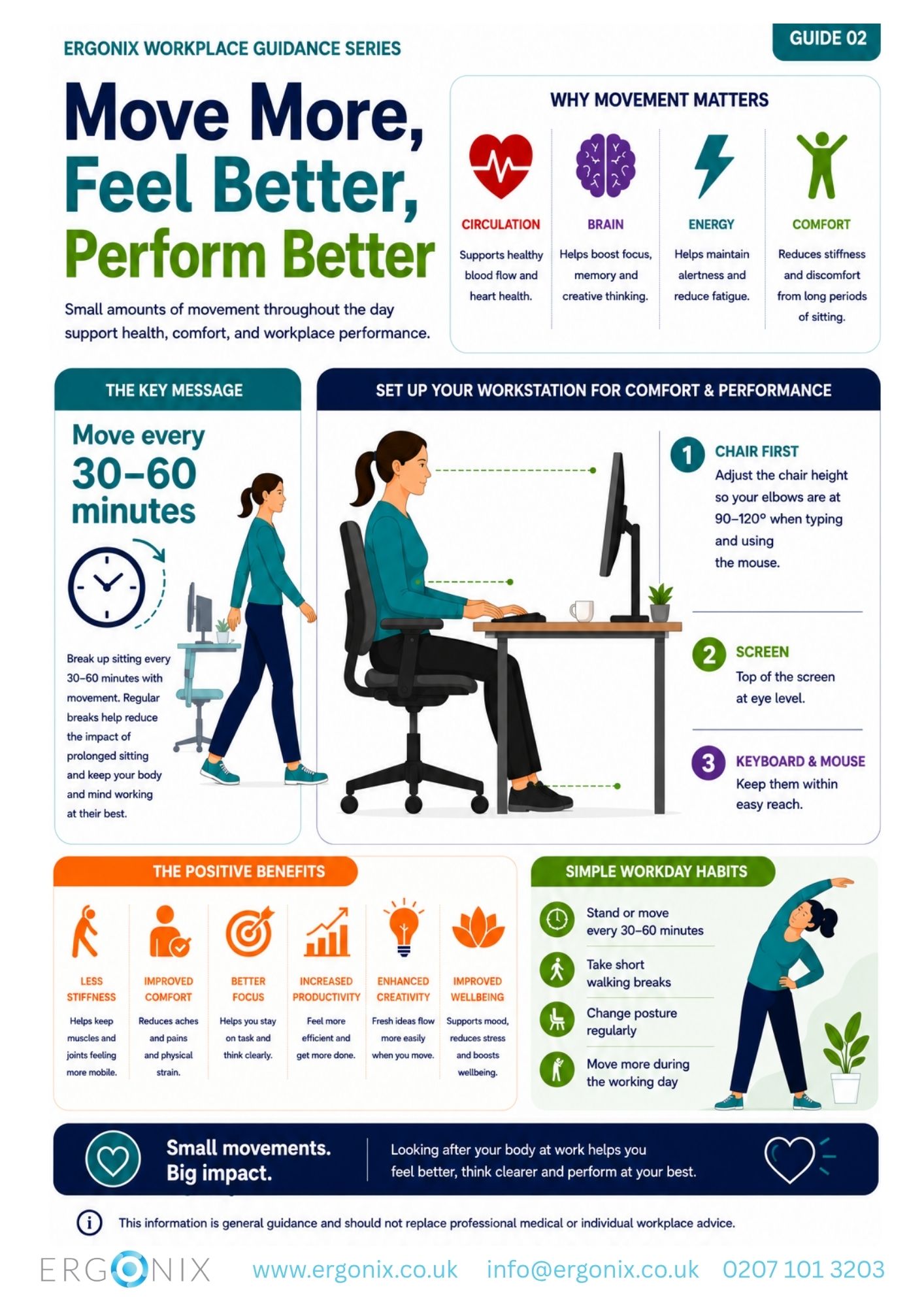
There are also practical steps you can take during the working day. Short breaks, even just to walk to the kitchen or pick up work from the printer, help clear the mind and reduce stress. Lunch breaks should be treated as a genuine break. For those feeling the effects of burnout, seek support from colleagues, family, and friends or try activities such as exercise, yoga, or meditation. Sleep is also essential.
Organisations have a role to play in supporting employees. The CIPD report shows that over 75% of organisations are taking action to improve employee wellbeing, with measures including access to counselling, phased return to work, and employee assistance programmes. Only 29% of organisations train managers to support mental health, yet this training has been shown to increase managers’ confidence in spotting early warning signs and having sensitive conversations.
Ultimately, taking care of your health is a priority. Make time for breaks, use your holiday entitlement, and seek support when needed. Organisations and employees working together can prevent burnout and ensure wellbeing remains a priority in the modern workplace.
Frequently Asked Questions
Q1: What is workplace burnout?
Workplace burnout is a state of chronic stress that leads to exhaustion, reduced productivity, and negative feelings about your job.
Q2: How can employees prevent burnout?
Employees can prevent burnout by taking regular breaks, ensuring they take full annual leave, practising stress management techniques such as exercise or meditation, and seeking support from colleagues, friends, or family.
Q3: How can employers support staff to avoid burnout?
Employers can encourage staff to use their holiday entitlement, promote a healthy work-life balance, provide flexible working options, and offer health and wellbeing resources or workshops.
Take Action
Try incorporating one small change this week, such as taking a full lunch break or a short walk, and notice the difference it makes. For more guidance, explore our workplace wellbeing workshops and employee wellbeing content.
By Angela Yates | Workplace Health, Wellbeing & Ergonomics Specialist | HCPC-Registered Physiotherapist | Ergonix
Last updated: February 2026