 Employees spend hours at office desks, yet too few workplaces consider the impact of ergonomics on their health and performance. While many companies talk about health and wellbeing initiatives, few connect them strategically to everyday work practices. Ergonomics, the science of designing work environments to fit the individual’s needs, provides a practical, evidence-based way to support employees’ physical and mental health while enhancing overall productivity, both in the office and in hybrid or remote settings.
Why Ergonomics is Key to Health and Productivity
Poor workstation design, prolonged static postures, and inadequate movement are major contributors to musculoskeletal discomfort, eye strain, and fatigue. Over time, these issues can reduce focus, increase absence, and affect morale. By contrast, well-designed workspaces and ergonomic practices allow employees to work comfortably and efficiently, reducing physical strain and supporting sustained engagement.
In addition to improving comfort and engagement, organisations can see measurable benefits such as higher employee retention, reduced turnover costs, and stronger engagement metrics, making ergonomics a sound investment for long-term organisational success.
Beyond Checklists: Strategic Ergonomics and Wellbeing
Many organisations treat ergonomic DSE (Display Screen Equipment) compliance as a task to tick off, a one-off assessment or a simple checklist. Following recognised ergonomic standards and HSE guidelines ensures legal compliance and demonstrates a commitment to employee safety and wellbeing. However, meeting these basic standards alone rarely delivers the long-term benefits of a fully integrated ergonomic approach.
A strategic approach includes:
- Regular DSE workstation assessments: identify risks and provide tailored solutions that meet individual needs.
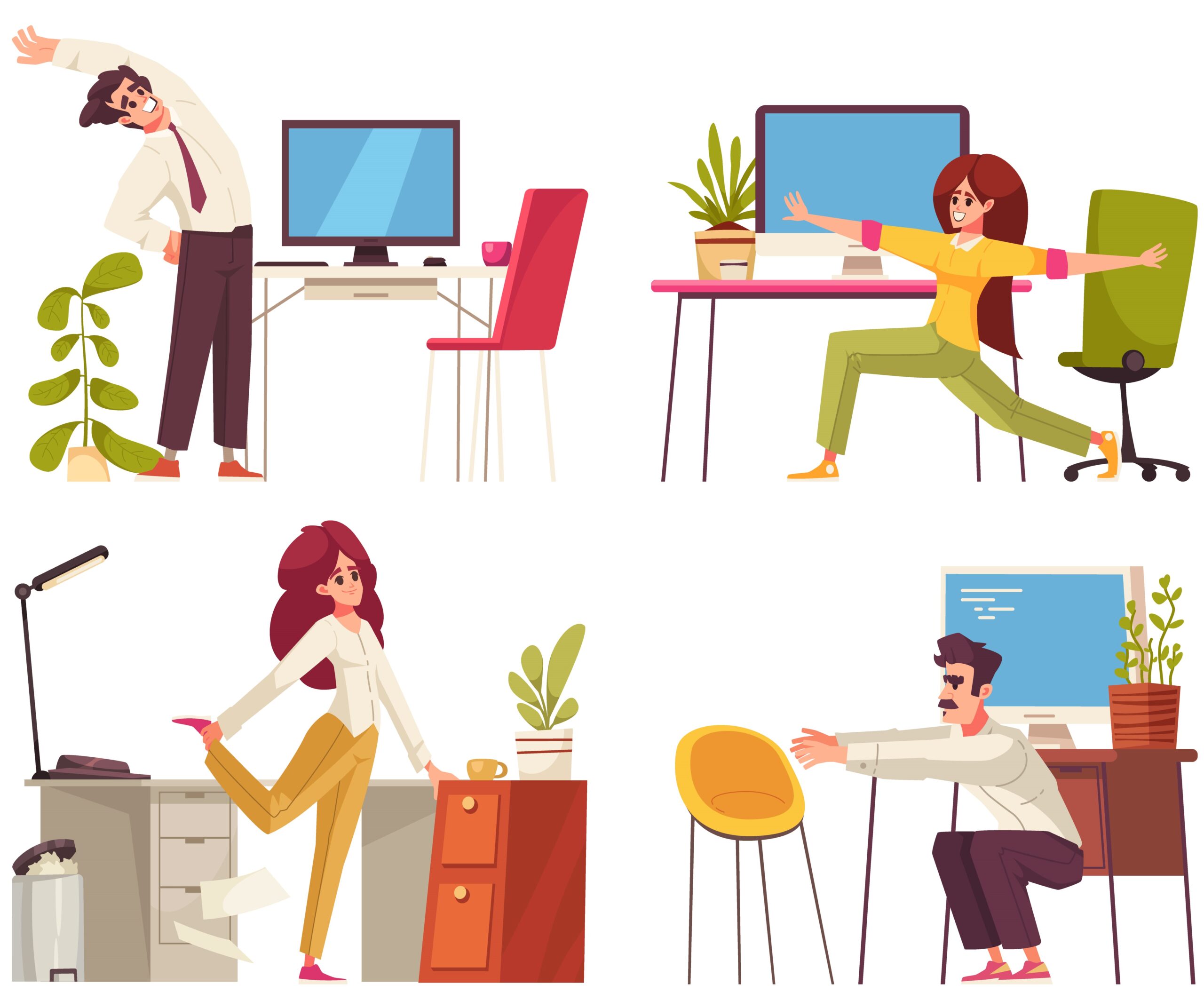
- Training for employees: safe posture, effective workstation setup, regular movement and microbreaks, stretching exercises, and recognising early signs of discomfort or fatigue so they can take action quickly.
- Training for managers: recognising early signs of physical discomfort or strain, supporting employees to adopt safe workstation habits, embedding ergonomic practices into team routines, addressing workload and stress factors, and monitoring outcomes to ensure sustained wellbeing.
- Empowering employees: giving them the knowledge and skills to adjust their own workstations effectively and integrate wellbeing practices into daily routines such as microbreaks and movement prompts.
- Open communication: encouraging reporting of discomfort or workplace concerns to address issues early.
- Monitoring and reviewing outcomes: reductions in musculoskeletal complaints, lower absence rates, and improved performance metrics.
- Workload and stress: recognising how mental strain and physical discomfort interact, and implementing practical strategies to support employees’ wellbeing.
- Ergonomic improvement plan: outlining specific modifications, policies, and safety habits to maintain long-term wellbeing.
By integrating these practices, organisations prevent physical discomfort and create a culture where employees feel supported, engaged, and able to perform at their best.
Embedding Ergonomics in Organisational Culture
When ergonomics is part of workplace culture, it signals to employees that their health and comfort are valued. This creates a positive feedback loop: employees who feel supported are more focused, productive, and motivated. Leaders who integrate ergonomics with wider wellbeing initiatives demonstrate commitment to sustainable performance, not just short-term output.
Practical Steps to Get Started
- Conduct tailored DSE workstation assessments for all employees, including remote and hybrid workers.
- Offer interactive training and wellbeing workshops on posture, movement, and workstation setup.
- Encourage simple daily interventions, such as regular stretching, microbreaks, and equipment adjustments.
- Train managers to provide guidance on recognising discomfort, supporting employees, embedding ergonomic practices into team routines, and promoting a culture of wellbeing.
- Encourage employees to adjust their workstations and report discomfort early to prevent issues from developing.
- Review and update ergonomic practices regularly to reflect changes in work patterns or technology.
- Monitor outcomes to ensure interventions are effective and adjust strategies as needed.
Conclusion
Investing in ergonomics is an investment in people. It reduces preventable discomfort, supports mental and physical wellbeing, and fosters an environment where employees can perform at their best. By making ergonomics a core part of workplace strategy, organisations create healthier, more resilient teams and lay the foundation for long-term success.
To find out more about DSE Assessor Courses, DSE Assessments and Workplace Wellbeing Workshops, contact us today and discover how we can help your employees thrive.