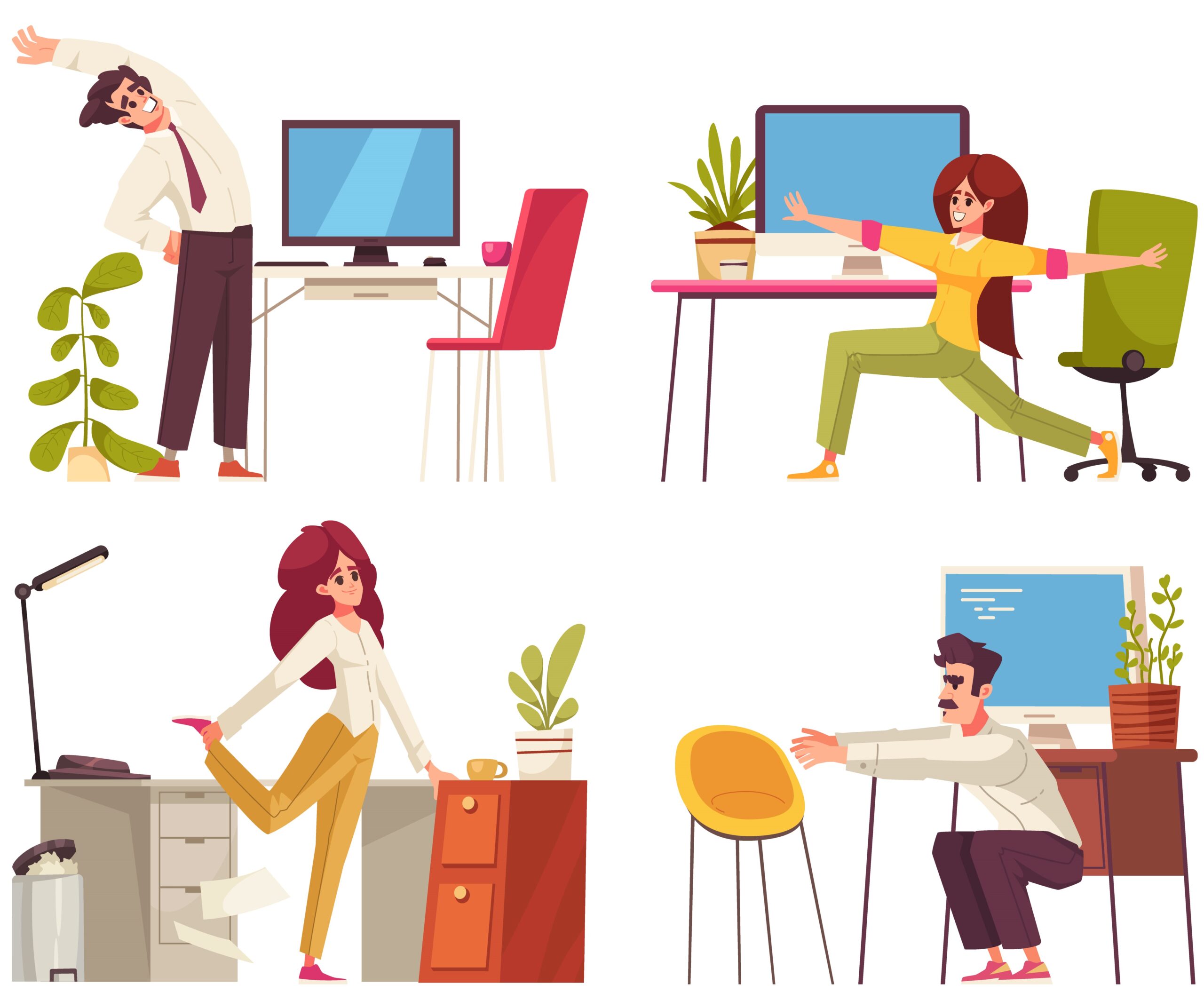
 Musculoskeletal (MSK) injuries and mental health are closely connected, and ignoring this link can lead to reduced engagement, absenteeism, and turnover. Pain, discomfort, or limited mobility can affect mood, focus, and motivation, while stress and anxiety can worsen physical symptoms. Addressing both together not only supports employee wellbeing but also improves performance and retention. A holistic approach is essential for a healthier, more productive workforce.
1. Do musculoskeletal injuries affect mental health?
Contrary to common belief, MSK injuries can have a significant impact on mental health. Pain, discomfort, or limited mobility can cause stress, anxiety, frustration, and even depression. Employees may also experience sleep disturbances, reduced concentration, and lower motivation. Over time, this creates a cycle affecting both body and mind.
2. Can mental health issues make MSK problems worse?
Many assume mental health only affects mood, but stress, anxiety, and fatigue can alter posture, muscle tension, and pain perception. This can exacerbate MSK issues. Supporting mental wellbeing is therefore an essential part of preventing and managing physical injuries in the workplace.
3. Are workplace adjustments or ergonomic equipment enough?
It’s a common misconception that ergonomic tools alone solve the problem. While workstation adjustments are important, education, movement strategies, workload management, and a supportive culture all contribute to reducing MSK risk and promoting mental health. A multi-layered approach is far more effective.
4. Will employees naturally report pain or stress without prompting?
Many employees try to “push through” discomfort or stress. Assuming they will report issues is risky. Encouraging open communication, regular check-ins, and wellbeing surveys helps identify problems early, allowing timely support before they escalate.
5. Is managing MSK and mental health separately sufficient?
Addressing physical and mental health in isolation rarely works. Integrated approaches, such as holistic DSE (display screen equipment) workstation assessments combined with physical and psychological support, reduce absenteeism, presenteeism, and long-term health risks. A supportive workplace culture ensures better outcomes for both body and mind.
FAQ
Q1: Can poor posture affect mental health?
Yes. Prolonged poor posture can increase discomfort and fatigue, leading to stress and reduced focus. Supporting ergonomic practices helps maintain both physical and mental wellbeing.
Q2: How can employers support employees with MSK and mental health challenges?
Encourage open communication, offer regular DSE assessments, provide training on movement and workstation setup, and integrate wellbeing strategies into daily routines.
Q3: Are ergonomic tools alone enough to prevent MSK injuries?
No. Tools are important but should be combined with education, movement, and a culture that values health and wellbeing.
Q4: How can employees prevent MSK injuries and protect their mental wellbeing at work?
Employees can prevent MSK injuries and support mental health by taking regular microbreaks, adjusting their workstation ergonomically, practicing movement and stretching exercises, and managing workload stress. Early action helps maintain comfort, focus, and long-term wellbeing.
If you would like expert guidance, contact us today to explore our CIEHF-accredited DSE Assessor Courses, DSE Assessments, Wellbeing Workshops, and Employee Wellbeing Content.