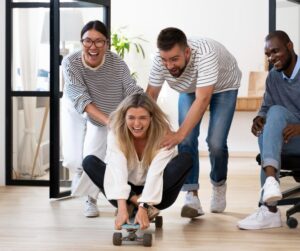
 Noticing your team returning after the holidays stiff, tired, or low on energy? Here’s how to support their wellbeing and productivity in 2026.
The start of a new year is a natural time for employees to refocus on health and wellbeing. After the festive break, many return to long hours at desks, often noticing stiffness, discomfort, or a dip in energy. Cold weather, post-holiday inactivity, and extended screen time can all contribute to musculoskeletal (MSK) tension, poor posture, and reduced productivity.
Encouraging workplace fitness is not just about exercise; it’s about supporting employees’ physical and mental wellbeing, improving engagement, and creating a healthier, more productive workforce.
Why Movement Matters at Work
- Reduce MSK issues: Prolonged sitting can increase the risk of neck, back, and shoulder stiffness, discomfort, and pain. Small movement breaks and stretching can prevent these.
- Boost mental health: Activity enhances circulation and brain function, reducing stress and improving focus.
- Increase productivity: Healthy, active employees are more alert, engaged, and less likely to take sickness absence.
Even short micro-habits like posture checks, desk stretches, or standing while taking calls can make a significant difference over time.
The Benefits of Workplace Health Challenges
Introducing team-based fitness challenges can:
- Improve engagement and morale: friendly competition motivates employees.
- Encourage teamwork and communication: challenges foster collaboration across departments.
- Promote consistency in movement: employees are more likely to take regular breaks.
- Support overall health and wellbeing: both physical (MSK health, cardiovascular fitness) and mental (stress reduction, energy levels).
Ideas for Workplace Fitness Challenges
- Step or movement challenges: track steps or mini movement goals over a week or month.
- Stretch or posture challenges: encourage micro-breaks for stretches, mobility exercises, or ergonomic posture checks.
- Desk-friendly exercises: planks, seated leg raises, or simple chair exercises like sit to stand.
- Walking or running groups: safe and flexible for hybrid, remote, and office workers.
- Holistic health challenges: combine activity with hydration, healthy eating, or mindfulness practices.
For larger-scale challenges, employees can also join charity runs, local sporting events, or national races. All are excellent for team bonding and personal motivation.
Practical Tips for Success
- Include everyone: ensure activities are adaptable for onsite, remote, and hybrid staff.
- Set achievable goals: micro-habits and incremental progress keep employees motivated.
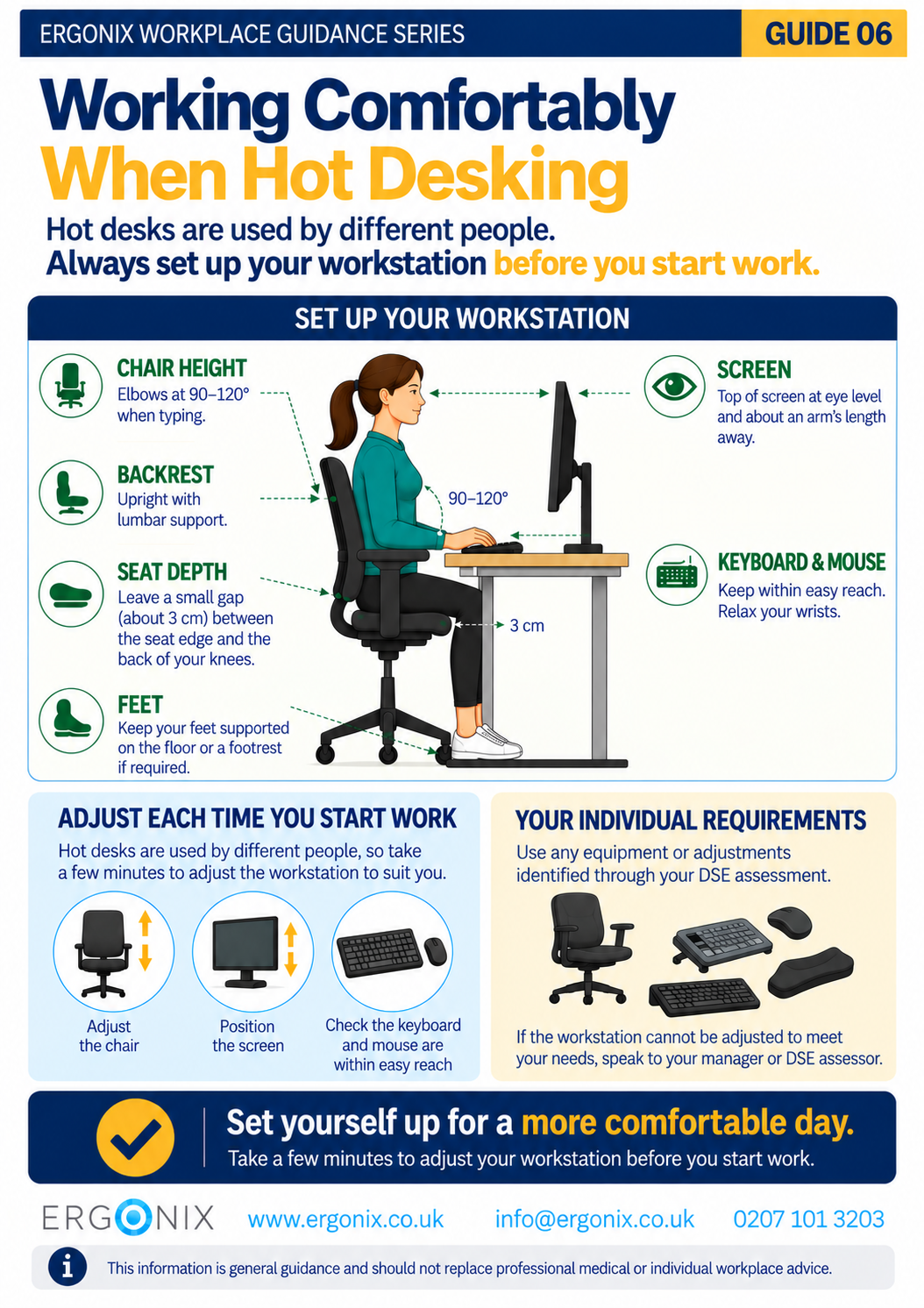
- Provide guidance: offer ergonomic advice, stretching sequences, or DSE workstation checks to complement physical activity.
- Celebrate participation: acknowledge efforts, not just performance, to encourage ongoing engagement.
- Encourage early reporting of discomfort: employees should inform HR or occupational health if any MSK pain arises; prevention is always better than intervention.
- Lead by example: from senior leaders to managers and team leaders, everyone should model healthy movement habits to encourage participation.
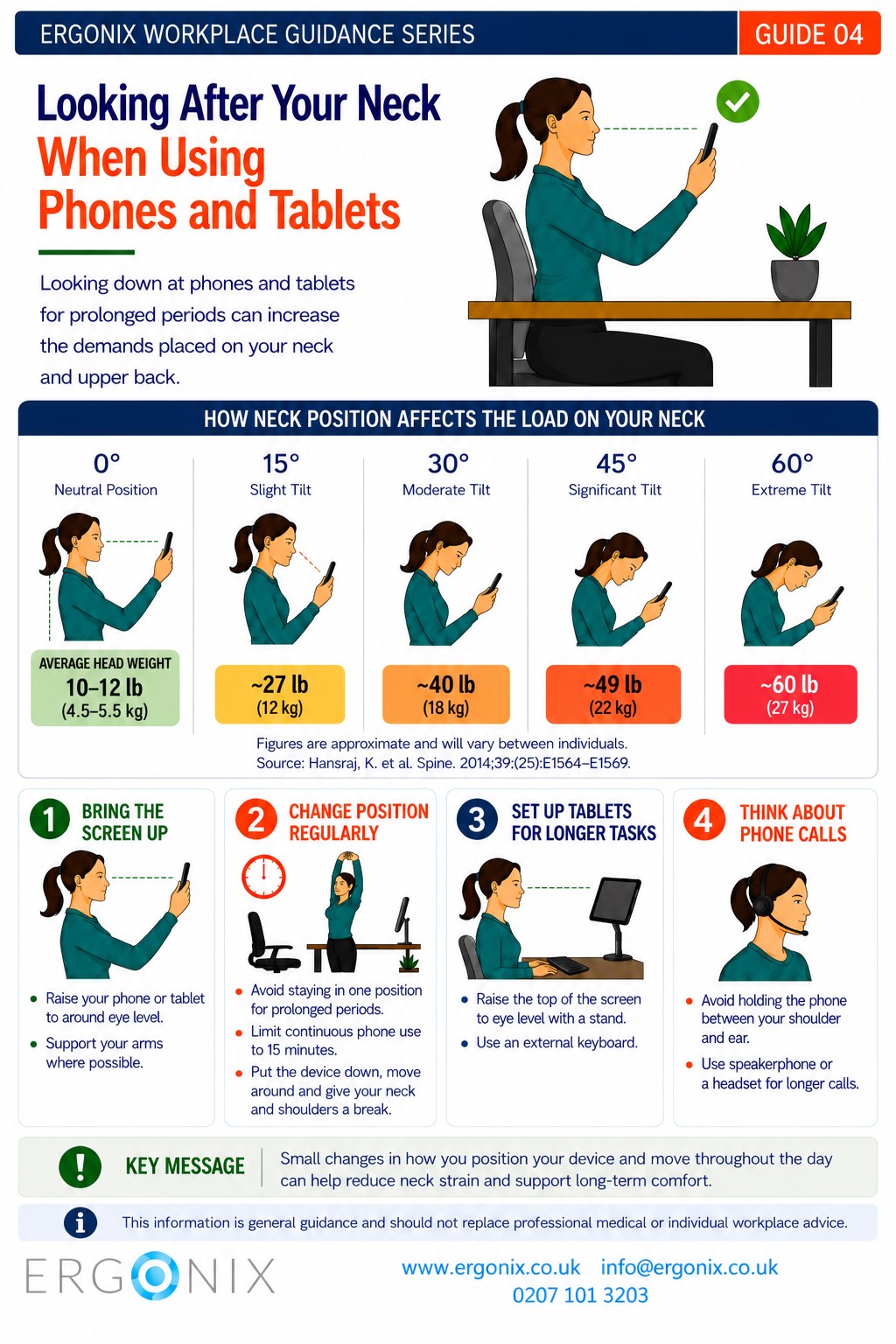
- Provide resources or tools: offer simple guides, health and wellbeing resources such as infographics, blogs and exercise videos to make participation easier.
- Offer workshops: organise interactive wellbeing workshops (online or in-person) covering stretching, posture, ergonomic advice, and general movement habits.
- Track progress and gather feedback: measuring engagement and satisfaction helps refine future challenges and celebrate successes.
- Encourage social support: teams supporting one another and sharing progress increases adherence and motivation.
- Offer flexibility and choice: provide options so employees can choose activities that suit their abilities, interests, and schedules.
Conclusion
Workplace fitness challenges are more than just a fun activity; they are an investment in your team’s health, wellbeing, productivity, and morale. By combining physical movement, ergonomic awareness, and team engagement, organisations can start 2026 with a healthier, happier, and more engaged workforce.
Small steps such as posture checks, micro-breaks, and movement habits can make a big difference. Launch 2026 with vitality. Why not encourage your team to move, stretch, and join a workplace challenge?