 The weeks following the Christmas and New Year break can be a period when musculoskeletal (MSK) symptoms resurface or worsen for many employees. Reduced activity over the holidays, colder weather, and the sudden return to prolonged periods of desk work can contribute to stiffness, discomfort, and pain in the neck, back, shoulders, and upper limbs.
Even employees who experienced no symptoms during time off may notice aches and tension when they resume full work duties. This is often linked to changes in movement patterns, workstation setup, and physical conditioning during the break.
Why MSK Pain Often Returns After the Holidays
- Reduced physical activity
Periods of inactivity, such as long festive breaks, can lead to temporary deconditioning of muscles that support posture and movement. This can make employees more susceptible to strain when returning to prolonged sitting or repetitive tasks. - Cold weather and stiffness
Lower temperatures can increase joint stiffness and reduce flexibility, particularly in the spine and shoulders. Colder environments can also exacerbate discomfort in pre-existing conditions. - Sudden return to extended desk work
Many employees resume long hours at their workstation without gradually reintroducing movement breaks or ergonomic habits. This abrupt increase in sustained sitting can trigger discomfort or flare-ups of existing MSK conditions. - Workstation adjustments may be overlooked
Temporary home workstations or shared office setups can shift posture patterns. Even small deviations from optimal desk, chair, or screen heights may contribute to strain when employees are back in the office or at home.
Practical Steps to Reduce Workplace MSK Risk After the Holidays
Employers and employees can take simple, evidence-informed actions to minimise MSK issues at this time:
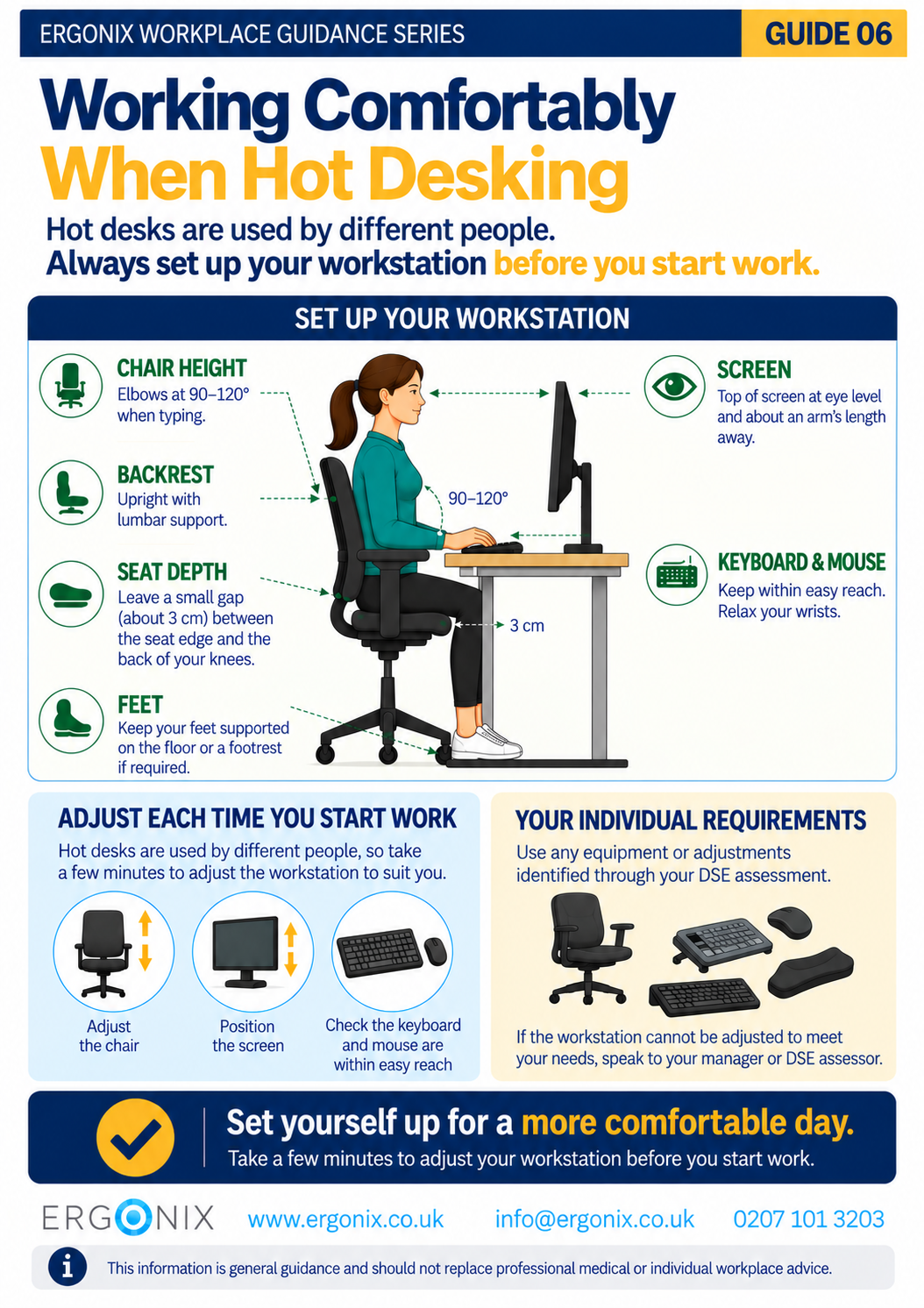
- Encourage DSE (display screen equipment) workstation review early in January to ensure desks, chairs, and screens and other equipment are correctly adjusted.
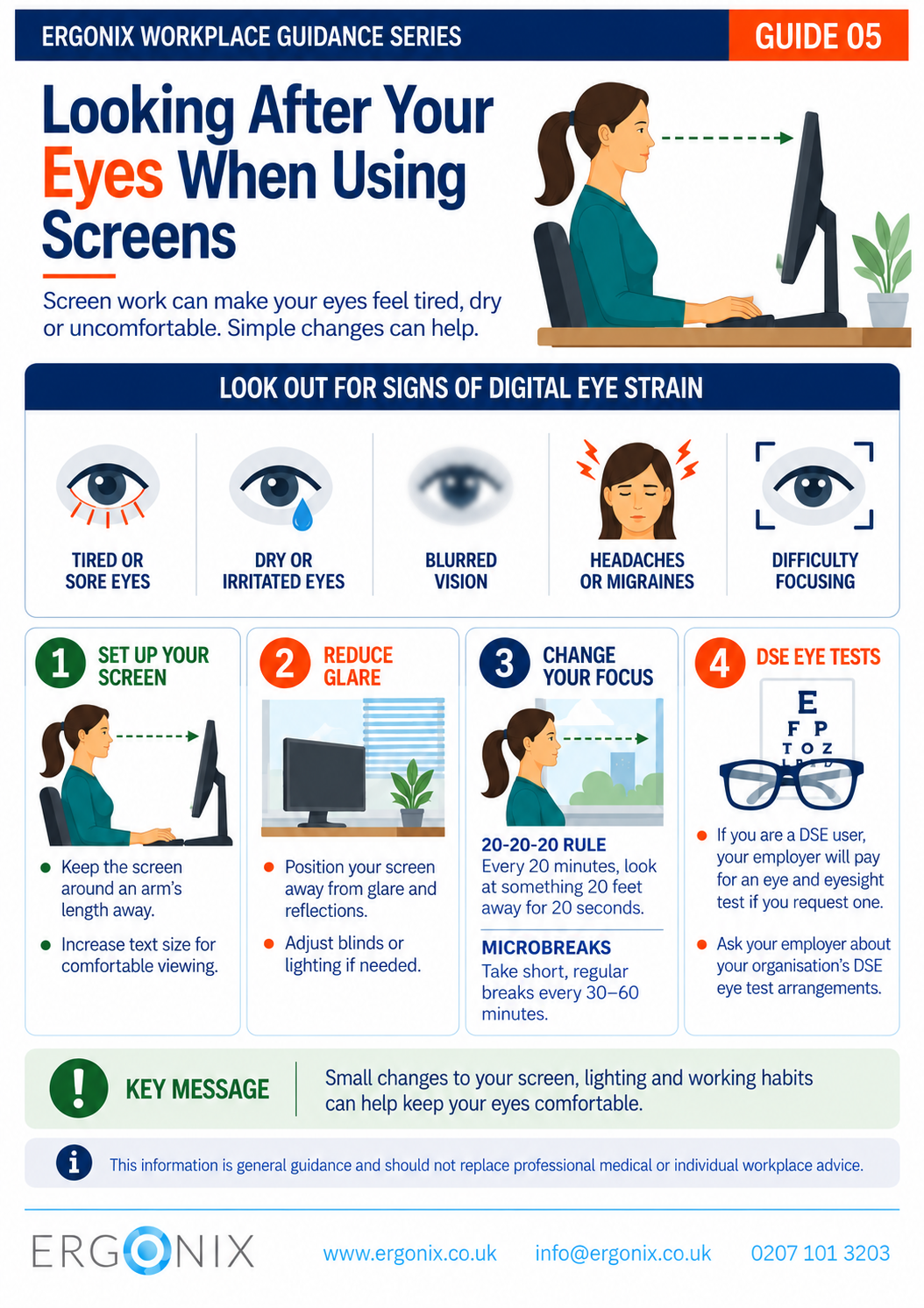
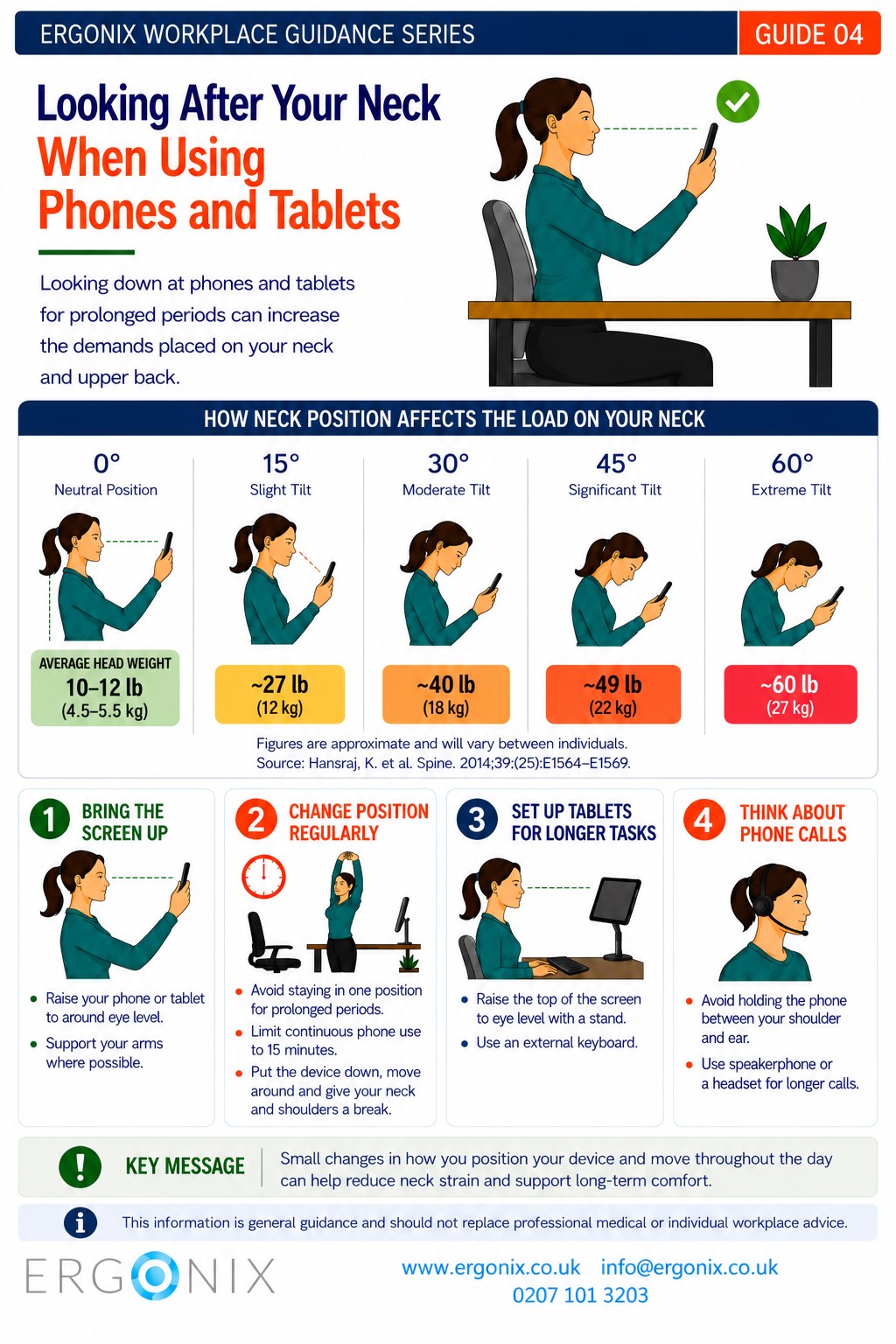
- Promote regular movement breaks, including short stretches or micro-breaks every 30–60 minutes. Employees can also adopt small micro-habits, such as posture checks and gentle stretching sequences at the desk, which help prevent discomfort throughout the day.
- Provide guidance on gradual reintroduction of workload, avoiding sudden increases in hours or intensity where possible.
- Remind employees of the importance of movement outside of work, including walking or light activity to counter stiffness.
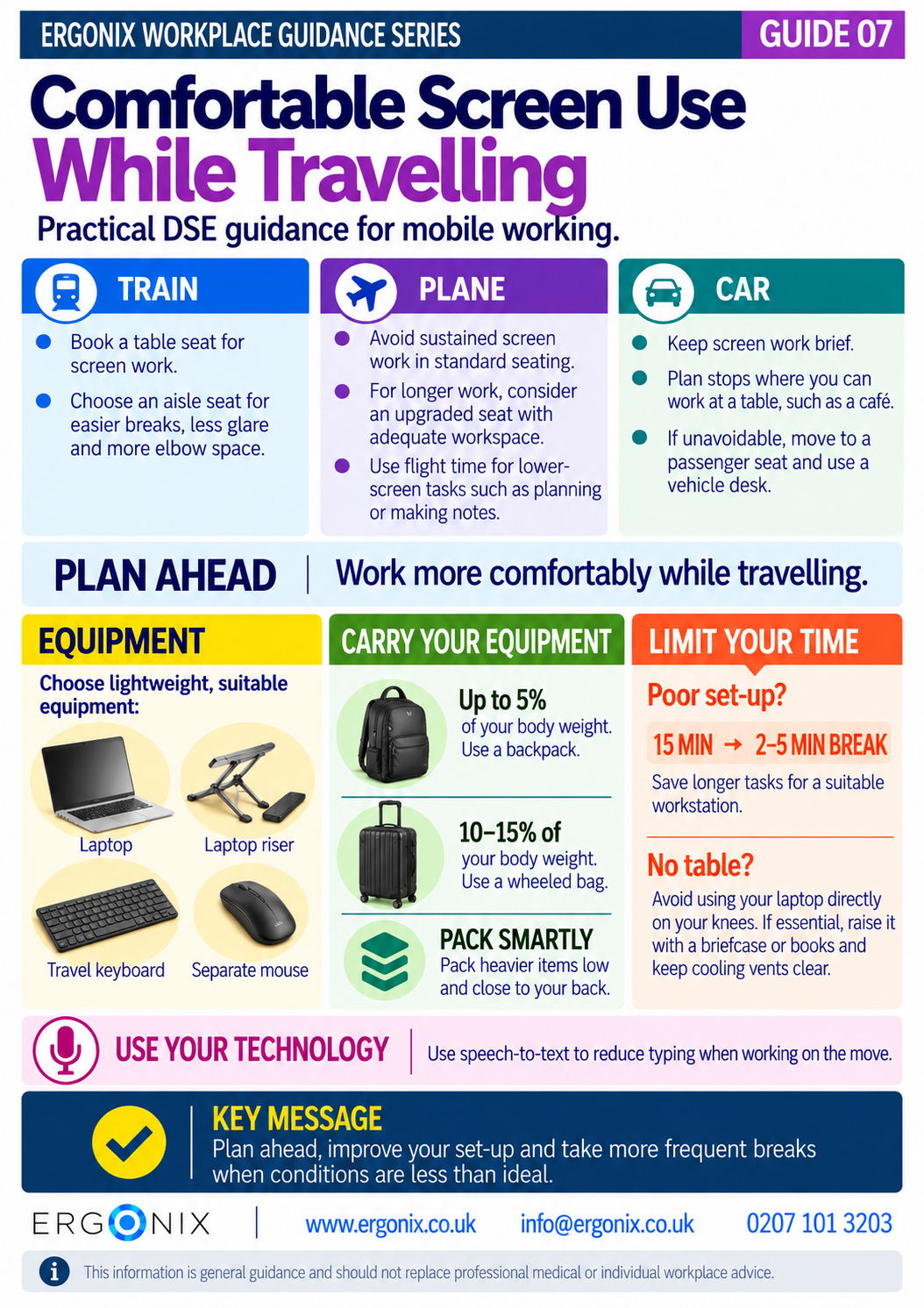
- Consider educational materials or workshops on posture, ergonomic workstation set-up, movement breaks, and MSK self-care for onsite, remote and hybrid workers.
- Encourage early reporting of any pain or discomfort to HR or occupational health services, so that minor symptoms can be addressed before they become more serious.
Conclusion
The period immediately following the festive break represents a natural window where MSK discomfort may reappear or worsen. By reviewing workstations, encouraging movement, and supporting staff in posture and workload management, organisations can reduce early-year MSK pain and improve wellbeing and productivity.
For organisations looking to proactively support staff health and wellbeing, early DSE workstation reviews and workshops can help prevent discomfort and improve productivity.
Useful Reading:
7 Holistic Approaches to Enhance Employee Wellbeing and Productivity